
Introduction
Smart tourism is a concept that is increasingly important in the tourism industry. In this digital era, technology has changed the way we travel and experience tourist destinations. Smart Tourism refers to the use of information and communications technology to enhance tourist experiences, increase safety, and promote sustainability in the tourism industry. In this article, we will explore what Smart Tourism is, how it helps the tourism industry, the technologies used, and the implementation of Smart Tourism in various tourist destinations around the world.
What is Smart Tourism?
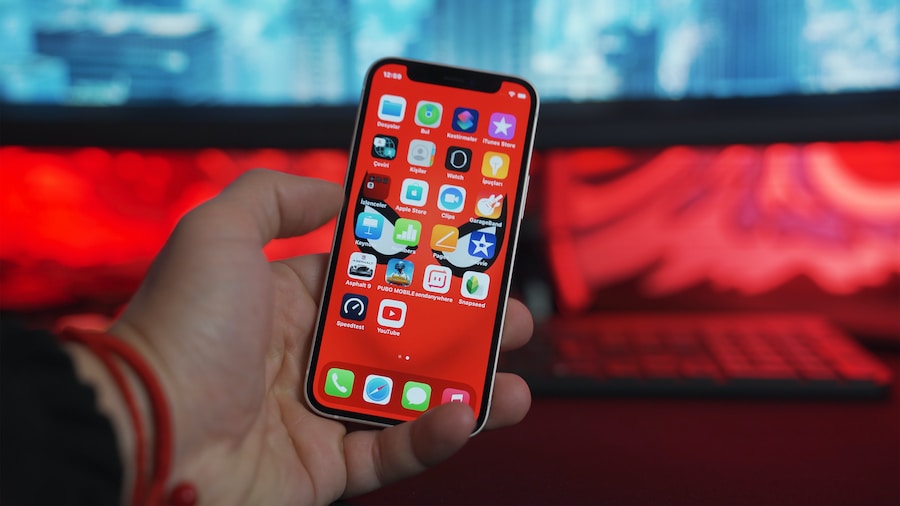
Smart Tourism is a concept that combines information and communication technology with tourism to create a better tourism experience. This involves the use of technologies such as mobile applications, smart sensors, big data, and artificial intelligence to improve interactions between tourists and tourist destinations. Smart Tourism differs from traditional tourism because it involves the use of technology to improve efficiency, safety, and sustainability in the tourism industry.
How Smart Tourism Helps the Tourism Industry?
Smart Tourism has many benefits for the tourism industry. First, it enhances the traveler experience by providing relevant and personalized information. Through mobile applications and smart sensors, tourists can easily access information about tourist destinations, such as tourist attractions, restaurants and local events. They can also receive recommendations tailored to their interests and preferences. This allows tourists to plan their trips better and experience tourist destinations in a more satisfying way.
Apart from that, Smart Tourism also increases the safety and security of tourists. By using technology such as smart sensors and artificial intelligence, tourist destinations can monitor and analyze data to detect potential security threats. For example, smart sensors can detect suspicious temperature changes or unusual movements, and send alerts to security personnel. This helps prevent crime and provides a sense of security to tourists.
What Technologies Are Used in Smart Tourism?
Smart Tourism involves the use of various technologies to enhance the tourist experience. Some of the technologies used in Smart Tourism include mobile applications, smart sensors, big data, artificial intelligence, and the Internet of Things (IoT). The mobile application allows tourists to access information about tourist destinations, book tickets and plan their trips easily. Smart sensors are used to collect data about the environment and tourist behavior, which can be used to improve the tourist experience and safety. Big data and artificial intelligence are used to analyze data and provide recommendations tailored to travelers' interests and preferences. The Internet of Things (IoT) allows connected devices and objects to communicate with each other, allowing tourist destinations to collect and analyze data in real-time.
How Smart Tourism Improves Tourist Experience?
Smart Tourism has enhanced the tourist experience in various ways. For example, mobile applications allow tourists to access information about tourist destinations, such as tourist attractions, restaurants, and local events. They can also receive recommendations tailored to their interests and preferences. This allows tourists to plan their trips better and experience tourist destinations in a more satisfying way. Additionally, smart sensors and artificial intelligence are used to analyze data about traveler behavior and provide tailored recommendations. For example, if a traveler likes adventure and extreme sports, a mobile app can provide recommendations on activities that suit their interests, such as hiking or parasailing. This allows tourists to experience tourist destinations in the way they like best.
How Smart Tourism Improves Tourism Security?
Smart Tourism also increases the safety and security of tourists. By using technology such as smart sensors and artificial intelligence, tourist destinations can monitor and analyze data to detect potential security threats. For example, smart sensors can detect suspicious temperature changes or unusual movements, and send alerts to security personnel. This helps prevent crime and provides a sense of security to tourists. In addition, mobile applications can also be used to provide security information to tourists, such as a list of emergency numbers and evacuation instructions. This allows travelers to feel safer and prepared to deal with emergency situations.
How Does Smart Tourism Improve Tourism Sustainability?
Smart Tourism also promotes sustainable tourism practices. By using technologies such as big data and artificial intelligence, tourist destinations can collect and analyze data on resource use and environmental impact. For example, they can track energy and water consumption, as well as greenhouse gas emissions. This allows tourist destinations to identify areas where they can reduce resource consumption and increase efficiency. In addition, mobile applications can also be used to provide information about sustainable tourism practices to tourists, such as the use of public transportation and reducing waste. This helps raise tourist awareness about the importance of protecting the environment and local culture.
Examples of Smart Tourism Implementation in Various World Tourist Destinations
Smart Tourism has been implemented in various tourist destinations throughout the world. For example, in Barcelona, Spain, mobile apps are used to provide information about tourist attractions, restaurants, and local events to tourists. The app also allows travelers to book tickets and plan their trips easily. In Singapore, smart sensors are used to monitor and analyze data about tourist behavior. This data is used to provide recommendations tailored to travelers' interests and preferences. In Amsterdam, the Netherlands, a mobile application is used to provide tourists with information about sustainable tourism practices, such as the use of public transportation and waste reduction.
How is Indonesia Using Smart Tourism to Increase Tourism?
Indonesia has also utilized Smart Tourism to improve the tourism industry. For example, in Bali, mobile applications have been developed to provide tourists with information about tourist attractions, restaurants and local events. The app also allows travelers to book tickets and plan their trips easily. In Yogyakarta, smart sensors are used to monitor and analyze data about tourist behavior. This data is used to provide recommendations tailored to travelers' interests and preferences. In Lombok, mobile applications are used to provide information about sustainable tourism practices to tourists, such as the use of public transportation and reducing waste.
Challenges Faced in Implementing Smart Tourism in Indonesia
However, there are several challenges faced in implementing Smart Tourism in Indonesia. First, limited technological infrastructure can be an obstacle in developing mobile applications and smart sensors. Additionally, a lack of awareness and understanding of Smart Tourism among tourism stakeholders can also be a challenge. Apart from that, privacy and data security issues also need to be considered in the development and implementation of Smart Tourism in Indonesia.
How Can Tourists Help Improve Smart Tourism in Indonesia?
Tourists can also play a role in increasing the success of Smart Tourism in Indonesia. First, they can use available mobile applications and smart sensors to access information about tourist destinations, book tickets and plan their trips easily. Additionally, they can support sustainable tourism practices, such as using public transportation and reducing waste. By doing this, tourists can help improve their own experiences and also contribute to the sustainability of the tourism industry.
Conclusion
Smart Tourism is an increasingly important concept in the tourism industry. By using information and communication technology, Smart Tourism enhances the tourist experience, increases safety, and promotes sustainability in the tourism industry. Through mobile applications, smart sensors, big data, artificial intelligence, and the Internet of Things (IoT), Smart Tourism has improved the tourist experience in various tourist destinations around the world. Indonesia has also utilized Smart Tourism to improve its tourism industry, although there are still challenges that need to be overcome. Therefore, it is important for tourists to support sustainable tourism practices and the implementation of Smart Tourism in Indonesia.
There are many articles related to Smart Tourism that can help improve customer experience, sell hospitality products, overcome challenges in promotion via social media, apply modern event technology to improve visitor experience, control the impact of overtourism, and much more. One of the interesting articles is "Tips for Improving Customer Experience Through Innovation" which you can read here.
 English
  Indonesian