

Indonesia has a variety of tourism destinations that are attractive to tourists from all over the world. However, irresponsible tourism can be dangerous environment and threaten the sustainability of the local economy. Therefore, it is important for the tourism sector to implement principle–principle in tourism campaign sustainable.
In this article, four will be discussed principle important in tourism campaign sustainability in Indonesia. These principles include respect culture and environment, empowering local community, increase quality of life, and make sure economic sustainability. By implementing these four principles, the tourism sector can grow responsibly and sustainably.
Key Points:
- Four important principles in sustainable tourism campaign in Indonesia is respect culture and environment, empowering local community, increase quality of life, and make sure economic sustainability.
- Applying these principles can ensure responsible and sustainable tourism.
- The role of government and the responsibility of the tourism sector is also an important factor in tourism campaign sustainable.
- Innovation in the tourism sector can encourage sustainable and responsible tourism development.
- Public participation and tourist awareness of its importance sustainable tourism can also determine the success of a tourism campaign.
Principle 1: Respect Culture and Environment
To promote sustainable tourism campaigns, it is important to respect culture and environment. As a tourist destination, tourism destinations must pay attention to conservation cultural heritage and the environment, as well as ensuring the sustainability of the tourism sector itself. In a responsible tourism campaign, the involvement of local communities in managing tourist destinations is also very important. This will ensure that the environment and cultural heritage stay awake, and local community can be part of a sustainable tourism sector.
Cultural Heritage Preservation
Tourist destinations often have cultural heritage which is unique and interesting for visiting tourists. However, the existence of this cultural heritage is also vulnerable to damage and loss of original cultural identity. Therefore, sustainable tourism campaign must pay attention to the preservation of cultural heritage as one of its principles. This can be done through development infrastructure environmentally friendly and good planning in managing tourist destinations.
Environmental Protection
The environment is also an important aspect in sustainable tourism campaign. Environmentally friendly tourist destinations not only maintain the sustainability of natural resources, but also guarantee better tourism quality. Efforts to reduce waste and maintain environmental cleanliness must be increased, so that tourist destinations remain attractive and sustainable in the future.
“Respect for culture and the environment is an important foundation in building a responsible and sustainable tourism sector.”
Principle 2: Empower Local Communities
The second principle in the campaign sustainable tourism is to empower local communities. The government can build partnerships with local communities to improve society participation in the development of the tourism sector and economic development sustainable.
Local community involvement may include serving as a tour guide, homestay manager, or recommending local foods or crafts as souvenirs. Thus, tourism can provide greater benefits for local communities.
A real example of empowering local communities within sustainable tourism is the Panglipuran Tourism Village in Bangli, Bali. The Panglipuran Village Government has developed their village into a tourist destination while promoting Balinese customs and culture. Blessing society participation and stakeholders, Panglipuran village has succeeded in increasing community income and meeting tourists' needs for authentic experiences.
“Involvement of local communities in sustainable tourism is important to provide greater benefits to local communities and improve tourist experiences.”
Principle 3: Improve Quality of Life
Increase quality of life Local communities are the third principle in sustainable tourism campaigns. In this context, tourism must provide sustainable economic benefits and bring positive changes to the lives of local communities. One way to improve the quality of life is through development infrastructure quality.
Infrastructure Good services, such as roads, sanitation and irrigation, will improve the quality of life of local communities and at the same time attract tourists. Education is also an important factor in improving the quality of life. By increasing access to education, communities can acquire the abilities and skills necessary to participate in sustainable tourism activities.
Besides that, social services being available and affordable is also important in improving the quality of life. Health services, adequate housing and other public facilities needed by the community must be prioritized in tourism development. In this way, local communities can enjoy the benefits of tourism equally.
Maintaining the quality of life of local communities is important in a sustainable tourism campaign. Infrastructure development, improvement education, and provision social services are three important factors that must be prioritized in the development of the tourism sector.
Principle 4: Ensure Economic Sustainability
In a sustainable tourism campaign, ensuring economic sustainability is an equally important principle. This involves innovation in the tourism sector and the creation of long-term economic opportunities.
Innovation in the tourism sector is the key to economic sustainability. The development of the tourism sector can encourage innovation in various fields, from technology, services, and environmentally friendly tourism products.
By applying innovation to the tourism sector, it can create a long-term sustainable economic environment. In addition, sustainable tourism can also build new economic opportunities and provide wider benefits for local communities.
Examples of innovation in sustainable tourism include utilizing renewable energy, education about a friendly environment, conservation of natural resources and utilization technology in operational management.
The Government's Role in Sustainable Tourism Campaigns
The government has an important role in ensuring the success of sustainable tourism campaigns in Indonesia. In this effort, regulations and tourism policy that supports sustainable tourism must be implemented well.
This involves developing policies and regulations regulations which is able to promote culture and the environment, as well as empower local communities and improve the quality of life of people in tourism destinations. In this case, policies and regulations that supports sustainable tourism development can cover various aspects, such as public services, infrastructure, and economic development.
For example, the government can provide educational and training assistance to local communities in tourism destinations, and encourage their involvement in decision making and tourism management. The government can also encourage environmentally friendly tourism innovation through regulations and incentives for tourism industry players.
Therefore, the role of government in a sustainable tourism campaign is very important to ensure the sustainability and competitiveness of the Indonesian tourism sector in the future.
Responsibility of the Tourism Sector in Environmental Sustainability

The tourism sector must consider its responsibility to safeguard environmental sustainability to create sustainable tourism in Indonesia. Nature protection is an important aspect in preserving Indonesia's pristine natural beauty and helps attract tourists from all over the world.
Negative Impact Reduction
The tourism sector needs to reduce their negative impact on nature and the environment in tourism destinations. For example, a campaign can be carried out to use environmentally friendly products and minimize the use of plastic materials. Instead of littering, residents and tourists must maintain cleanliness and dispose of rubbish in appropriate places.
Community empowerment
The important role of development responsible tourism is empowering communities around tourism destinations. Through training and creating programs that benefit local communities, tourism can turn communities into supporters in maintaining tourist destinations.
| Tourism Potential | Supporting Activities |
|---|---|
| Beach | Culinary business |
| National Parks | Ecotourism |
| Mountain | Souvenir craftsman |
Innovation in Sustainable Tourism
To create sustainable tourism, the tourism sector must continue to innovate in development environmentally friendly tourism, such as the use of renewable energy and environmentally friendly transportation. By doing this, sustainable tourism can be developed in Indonesia and maintain its natural beauty and healthy climate for future generations.
Factors Determining the Success of a Sustainable Tourism Campaign
The success of sustainable tourism campaigns in Indonesia is influenced by several factors. One important factor is public participation. In the sustainable tourism campaign, public participation can help determine destinations and programs that suit the needs of local communities.
Besides that, tourist awareness of the importance of sustainable tourism is also success factor in this campaign. By raising awareness about the impact of tourism on the environment and local communities, tourists can support responsible tourism development.
For the tourism sector itself, it is important to develop programs that support sustainable tourism. This may include use technology and innovation in the tourism and development sectors environmentally friendly tourism.
Overall, public participation, tourist awareness, and innovation in the tourism sector are key factors in the success of sustainable tourism campaigns in Indonesia.
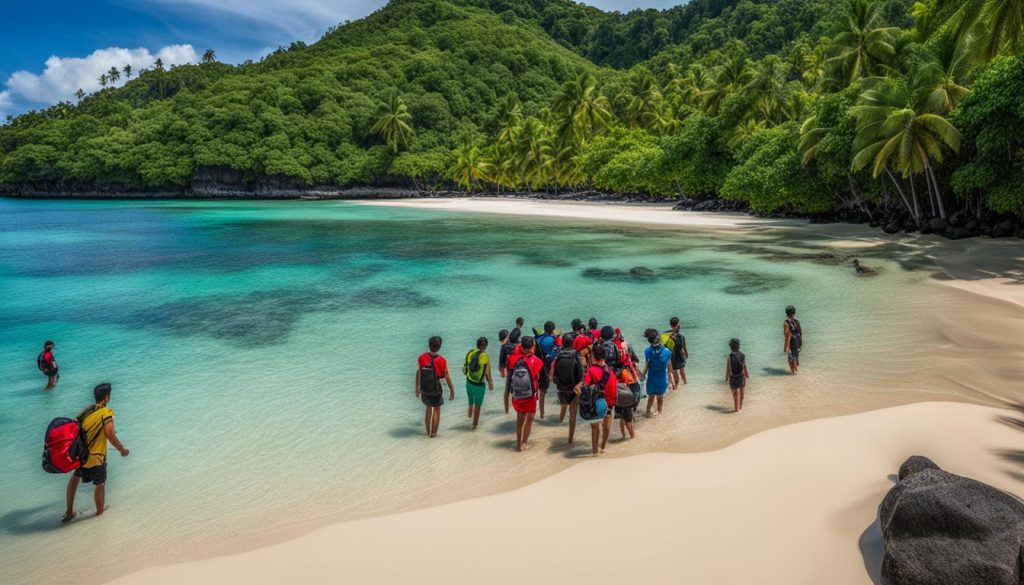
In the picture above, tourists can be seen enjoying the beautiful natural scenery in Bali. By paying attention to the factors previously mentioned, tourism in Bali and throughout Indonesia can grow sustainably and provide positive economic and environmental benefits for all parties.
Innovation in Sustainable Tourism Campaigns
One important factor in a sustainable tourism campaign is innovation in the tourism sector. In an increasingly advanced digital era, technology can be used to expand the scope of tourism and improve its quality. For example, using applications to provide information about tourism destinations, or developing websites that display destinations in complete and detailed terms.
Not only that, innovation can also have an impact on environmental aspects in tourism. In sustainable tourism campaigns, development environmentally friendly tourism could be a much-needed innovation. This includes the use of green technology, such as reducing greenhouse gas emissions or reducing waste in tourism destinations.
Innovation in sustainable tourism campaigns can create new opportunities that can help develop the tourism sector in a sustainable manner. By continuing to innovate, Indonesian tourism can grow to be more advanced and provide greater added value to society and the surrounding environment.
Conclusion
In the sustainable tourism campaign in Indonesia, the four principles above must serve as guidelines for the development of a responsible and innovative tourism sector. By respecting culture and the environment, empowering local communities, improving quality of life, and ensuring economic sustainability, tourism can grow sustainably and provide positive benefits for all parties.
To achieve this goal, the government also plays an important role in implementing regulations and policies that support sustainable tourism. Apart from that, the tourism sector must also bear its responsibility towards environmental sustainability and nature.
Public participation and tourist awareness of the importance of sustainable tourism are also key factors in the success of sustainable tourism campaigns. By developing tourism innovation, both in terms of technology and the development of environmentally friendly tourism, the tourism sector can grow sustainably and provide long-term benefits for local communities and the country as a whole.
FAQs
What will be discussed in this article?
This article will discuss four important principles in sustainable tourism campaigns in Indonesia.
What is meant by the first principle in a sustainable tourism campaign?
The first principle is respect for culture and the environment. This includes the preservation of cultural heritage and environmental protection in tourism destinations.
What is meant by the second principle in a sustainable tourism campaign?
The second principle is to empower local communities. It's involving society participation in economic development tourism sector.
What is meant by the third principle in a sustainable tourism campaign?
The third principle is to improve the quality of life. This involves building infrastructure, improving education, and provision social services for local communities.
What is meant by the fourth principle in a sustainable tourism campaign?
The fourth principle is ensuring economic sustainability. This involves innovation in the tourism sector and the creation of long-term economic opportunities.
What is the government's role in sustainable tourism campaigns?
The government has an important role in sustainable tourism campaigns. Regulations and policies that support sustainable tourism must be implemented properly.
What are the responsibilities of the tourism sector in environmental sustainability?
The tourism sector must also be responsible for environmental sustainability. Nature protection and maintenance of natural resources is his responsibility.
What factors determine the success of a sustainable tourism campaign?
There are several factors that determine the success of a sustainable tourism campaign, including public participation and tourist awareness of the importance of sustainable tourism.
Why is innovation important in sustainable tourism campaigns?
Innovation is an important factor in sustainable tourism campaigns. The use of technology and the development of environmentally friendly tourism can encourage the development of a sustainable tourism sector.
What is the conclusion of this article?
In the sustainable tourism campaign in Indonesia, these four principles can serve as guidelines for developing a responsible and innovative tourism sector. By respecting culture and the environment, empowering local communities, improving quality of life, and ensuring economic sustainability, tourism can grow sustainably and provide positive benefits for all parties.
 English
  Indonesian